
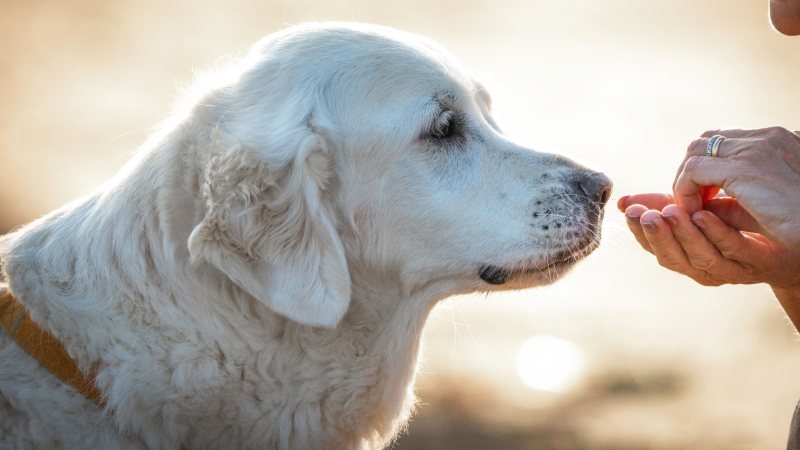
Quick answer: Trazodone use has climbed for two separate but related reasons.Doctors now prescribe trazodone as one of the most common off-label sleep aids because they have become increasingly cautious about using sedatives such as benzodiazepines and Z-drugs. Veterinarians also rely on trazodone as a preferred short-term medication for anxiety and sedation in dogs because it works quickly, wears off predictably, and has a strong safety record compared with older alternatives. Although the FDA has approved trazodone only for treating depression, decades of clinical experience support both of these uses.
If you searched for this because your doctor or veterinarian just prescribed trazodone for you or your dog, here’s the short version: doctors and veterinarians often prescribe this well-established medication for conditions beyond its original purpose, and that is generally safe when they determine and monitor the appropriate dose. However, understanding why they prescribe it can help you use it with greater confidence.
What Is Trazodone, Exactly?
Trazodone is a serotonin antagonist and reuptake inhibitor, or SARI. It was approved by the FDA in 1981 to treat major depressive disorder in adults. Chemically, it works by blocking certain serotonin receptors while also slowing the reabsorption of serotonin in the brain, which raises serotonin availability and tends to produce a calming, sedating effect—especially at lower doses.
That sedating side effect is exactly why trazodone has found a second life far outside its original purpose. At antidepressant doses (150–600 mg), it’s an SSRI-era antidepressant. At the much lower doses typically used for sleep or anxiety (25–100 mg), it functions more like a mild sedative with a short duration of action.
Why Trazodone Use Is Rising in Dogs
-
Veterinarians needed a better option for situational anxiety
Trazodone is an oral medication for dogs that treats anxiety and stress by increasing serotonin levels in the brain, and canine fear and anxiety are reported to affect about 44% of dogs at some point in their lives, according to researchers in the Journal of Veterinary Behavior. Noise phobias are one of the more common triggers, and trazodone has become a go-to tool for short-term situational anxiety as well as some longer-term anxiety conditions.
Before trazodone became common, vets leaned more heavily on drugs like acepromazine, an older sedative that calms movement but doesn’t necessarily reduce the anxiety a dog is actually feeling—sometimes leaving a dog physically still but mentally distressed. Trazodone targets the anxiety itself, which is a meaningful clinical improvement.
-
It covers an unusually wide range of everyday triggers
Veterinarians commonly prescribe trazodone for generalized anxiety, separation anxiety, veterinary visits, travel, loud noises such as fireworks or thunderstorms, hospitalization, and post-surgery recovery. That breadth matters: a single medication that a vet can reach for whether the trigger is a car ride, a thunderstorm, or a surgical recovery crate is operationally convenient—and convenience drives prescribing volume.
-
It’s a standard part of surgical and hospital protocols now
Veterinarians also commonly administer trazodone before and after surgical procedures to reduce anxiety and help dogs remain calm during their stay at the veterinary hospital. As more veterinary hospitals formalize “fear-free” and low-stress handling protocols, a fast-acting, short-duration anxiolytic like trazodone fits naturally into standard workflows—another structural reason its use has grown.
-
Off-label veterinary use of human drugs is broadly accepted
The FDA has not approved trazodone for use in dogs or cats. However, veterinarians widely prescribe it for dogs because they consider it a safe and effective option for managing anxiety.Extra-label drug use is a long-standing, legal, and common practice in veterinary medicine when no approved alternative exists or works as well—so the lack of an official canine approval hasn’t slowed adoption at all.
Why Trazodone Use Is Rising in Humans
-
It’s the most common off-label treatment for insomnia
Using nationally representative U.S. survey data, researchers estimated that healthcare providers wrote about 24 million trazodone prescriptions in a single recent year, and they used at least 85% of those prescriptions—roughly 20 million—for off-label purposes, primarily to treat insomnia. Health spending on off-label trazodone use reached an estimated $247 million that year That’s not a niche pattern; trazodone has effectively become a default sleep medication, even though it was never studied or approved for that purpose.
Clinical researchers presenting real-world prescribing data noted that doctors often prescribe trazodone off-label for insomnia at doses below 150 mg daily, despite clinical practice guidelines recommending against using trazodone for insomnia. In other words, prescribing has outpaced the evidence—a gap researchers openly flag as a concern, not a footnote.
-
Doctors are moving away from benzodiazepines and Z-drugs
Trazodone’s rise didn’t happen in a vacuum. It’s the beneficiary of growing caution around older sleep medications:
- Benzodiazepines (like temazepam) carry well-documented dependence and withdrawal risks.
- Z-drugs (like Ambien and Lunesta) come with FDA boxed warnings for complex sleep behaviors, including sleepwalking and sleep-driving.
- Trazodone, by comparison, is not federally scheduled as a controlled substance and is generally viewed as having a lower dependence profile—even though it’s not risk-free.
-
The pandemic-era insomnia surge never fully reversed
Searches for “insomnia” rose sharply in the months following the pandemic’s onset, and prescriptions for sleep medications, including trazodone, increased alongside that spike.</cite> Sleep disruption tied to stress, screen time, and irregular schedules has remained elevated well past the acute pandemic period, keeping demand for accessible, non-controlled sleep aids high.
-
It’s cheap and widely available as a generic
Trazodone has been generic for decades, making it inexpensive and easy for insurers to approve without prior authorization—a practical factor that quietly drives a lot of prescribing decisions, even when it isn’t the headline reason.
Human vs. Canine Trazodone Use: Side-by-Side Comparison
| Factor | In Humans | In Dogs |
| FDA-approved use | Major depressive disorder | None (extra-label only) |
| Most common actual use | Insomnia (off-label) | Situational anxiety, sedation |
| Typical low-dose range | 25–100 mg for sleep | Varies by body weight; set by vet |
| Regulatory status | Not a controlled substance | Not a controlled substance |
| Main growth driver | Shift away from benzodiazepines/Z-drugs | Shift away from acepromazine; fear-free vet care |
| Onset | Roughly 30–60 minutes | Roughly 30–90 minutes |
| Key risk | Serotonin syndrome with other serotonergic drugs | Serotonin syndrome, especially combined with other anxiety meds |
Safety Considerations Both Owners and Patients Should Know
Trazodone’s reputation as a “gentler” option shouldn’t be mistaken for “risk-free.” A few things are worth taking seriously:
- Serotonin syndrome. Combining trazodone with other medications can sometimes cause serotonin syndrome, a life-threatening condition that results from excess serotonin. Signs include confusion, a rapid heart rate, shivering, diarrhea, fever, and seizures. This risk applies to both humans and dogs, particularly when doctors or veterinarians combine trazodone with other antidepressants, certain pain medications, or additional anti-anxiety drugs.
- Fall risk in older adults. Research comparing trazodone to benzodiazepines found meaningful fall risk in both groups, which is part of why some geriatric prescribing guidelines flag trazodone for caution in elderly patients rather than treating it as an automatically safer substitute.
- Limited evidence for its most common use. Multiple clinical reviews have concluded there isn’t strong evidence supporting trazodone specifically for insomnia, even though it’s one of the most-prescribed drugs for that purpose—a genuine evidence-practice gap that patients should feel comfortable asking their doctor about.
- Dosing should never be improvised. For dogs especially, dosing depends on body weight, the reason for use, and whether it’s a one-time situational dose or a daily regimen. Never adjust a dog’s dose based on something read online—that decision belongs to the prescribing veterinarian.
Myth vs. Fact
Myth: “Trazodone is a new drug that just started trending.” Fact: Trazodone was approved in 1981. What’s new is how it’s being used—far more often for sleep and anxiety than for its original purpose, depression.
Myth: “If a drug isn’t FDA-approved for dogs, it must be unsafe or illegal.” Fact: Extra-label use of human medications in veterinary medicine is legal and common when a licensed veterinarian determines it’s appropriate. Trazodone is one of many drugs used this way.
Myth: “Because it’s not a controlled substance, trazodone has no dependence or safety risk.” Fact: It has a different risk profile than benzodiazepines, not a zero risk profile. Serotonin syndrome and fall risk are real considerations.
Key Takeaways
- The FDA has approved trazodone only for treating depression in humans and has not approved it for veterinary use, so doctors and veterinarians prescribe it off-label for other conditions. Doctors now write roughly 85% of trazodone prescriptions for conditions other than depression, with insomnia being the most common reason.
- In dogs, trazodone has become one of the most common medications for situational anxiety (vet visits, fireworks, travel) and pre/post-surgical sedation.
- The rise in both species tracks a broader shift away from older sedatives—benzodiazepines in humans, acepromazine in dogs—toward drugs seen as gentler and less habit-forming.
- Trazodone is not risk-free. It can cause serotonin syndrome when combined with other serotonergic drugs, and dosing should always come from a doctor or veterinarian.
Frequently Asked Questions
What is trazodone actually approved for? Trazodone is FDA-approved only to treat major depressive disorder in adults. Every other use—sleep, anxiety, and all veterinary use—is off-label or extra-label.
Why do doctors prescribe trazodone for sleep if it’s not approved for that? Off-label prescribing is legal and common in medicine. Doctors often choose trazodone for insomnia because it’s inexpensive, isn’t a controlled substance, and offers a different risk profile than benzodiazepines or Z-drugs, even though clinical guidelines don’t endorse it as a first-line insomnia treatment.
Is trazodone safe for dogs? Veterinarians widely consider trazodone safe when they prescribe and dose it appropriately, making it one of the most commonly used medications for managing anxiety in veterinary practice.Like any medication, it carries risks, particularly when combined with other drugs.
Can trazodone be given to dogs every day, or only for specific events? Both. Some dogs take it situationally for a single stressful event, like a vet visit or fireworks. Others take it daily for chronic anxiety. The right approach depends entirely on the individual dog’s diagnosis.
How fast does trazodone work in dogs? It generally starts working within about 30 to 90 minutes, which is one reason it’s practical for planned, predictable stressors like travel or grooming appointments.
What’s the difference between trazodone and acepromazine for dogs? Acepromazine sedates a dog physically but doesn’t specifically target anxiety, so a dog can appear calm while still feeling afraid. Trazodone works more directly on the anxiety response itself.
Can humans and dogs take the same trazodone? The drug itself is the same medication, but dosing is entirely different and based on body weight and purpose in dogs. Never give a dog human trazodone tablets without veterinary guidance on dose.
Is trazodone addictive?It’s not a federally controlled substance, and healthcare professionals generally don’t consider it addictive in the way benzodiazepines can be. However, that doesn’t mean every patient avoids dependence-related or withdrawal-related effects.
What are the most common side effects? In both humans and dogs, the most frequently reported side effect is sedation or drowsiness. Gastrointestinal upset is also common.
Why has trazodone use for insomnia specifically outpaced its approved use for depression? Researchers who studied national prescribing data found that trazodone prescriptions for off-label indications, mostly insomnia, now far exceed prescriptions written for its approved use as an antidepressant—a trend that’s been building for years as guidelines around other sleep drugs have tightened.
Should I be worried if my vet suggests trazodone for my dog? Not inherently. It’s one of the most common and best-studied options for situational anxiety in dogs. The key is following your vet’s specific dosing instructions rather than any general information found online.
What should I ask my doctor before starting trazodone for sleep? Worth asking: whether you’ve tried a non-medication approach (such as cognitive behavioral therapy for insomnia), why your doctor is starting you on a particular dose, and whether any of your other medications or supplements might interact with it.
The Bottom Line
Trazodone’s rise in both humans and dogs comes down to the same underlying pattern: it’s an old, well-understood, inexpensive drug that offers a gentler alternative to riskier options, even though manufacturers never developed or regulators never approved it for the job it now most often does.That’s not automatically a problem—decades of real-world use have given prescribers and veterinarians a good sense of how to use it safely. But “widely used” isn’t the same as “risk-free,” and the honest, evidence-based answer is that trazodone works well for many people and dogs while still deserving the same caution as any medication used outside its original approval.