
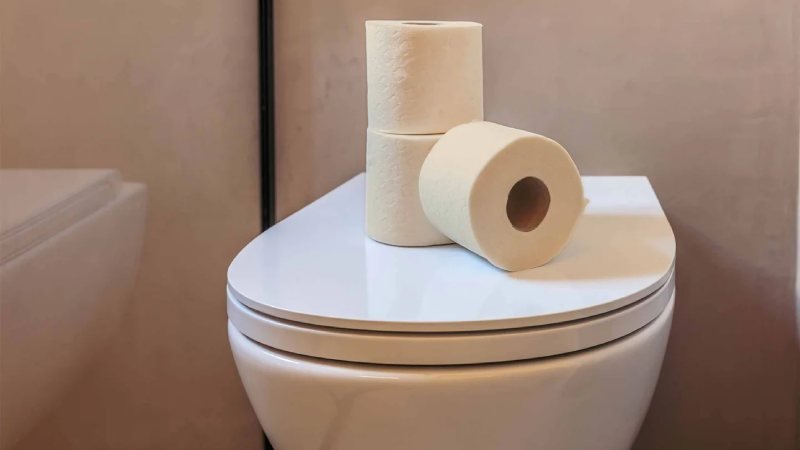
The Truth About Bamboo Toilet Paper
If you want to uncover the truth about bamboo toilet paper, you have to look past the cute panda branding. The reality is a complex mix of superior botany, industrial chemistry, and personal health. From the way the plant grows to the potential for hidden toxins, here is what you should know about the roll next to your throne.
Bamboo vs. Traditional Paper
| Feature | Traditional Virgin Pulp | Bamboo Pulp |
| Raw Material | Trees (Oaks/Maples/Pines) | Bamboo (Giant Grass) |
| Harvest Cycle | 20–50 years | 3–5 years |
| Carbon Impact | High (deforestation) | Low (self-regenerating) |
| Chemical Use | High (chlorine/bleach) | Variable (often lower) |
The Botanical Truth (A Sustainable Powerhouse)
The most undeniable truth about bamboo toilet paper is that the raw material is mathematically superior to trees. Trees are a “slow” resource; once you cut them down, the carbon-sequestration cycle is broken for decades. Bamboo is a grass that grows up to three feet per day.
Because it is grass, it doesn’t need to be replanted. The root system remains in the soil, preventing erosion and continuously pumping out new shoots. Per acre, bamboo can produce significantly more fiber than traditional forests, using less water and zero pesticides. If the goal is to stop flushing our forests down the drain, bamboo is the most viable solution we currently have.
The Chemical Reality: Bleaching and Dioxins
A common misconception is that all bamboo paper is “chemical-free.” To turn a stiff green stalk into a soft white square, it must undergo pulping. The real concern for health-conscious consumers isn’t the bamboo itself, but the bleaching agents used.
Many mass-market brands use elemental chlorine to whiten their paper. This process can leave behind trace amounts of organochlorines. It is vital to understand what kind of dioxin is in toilet paper, as these persistent environmental pollutants can be absorbed by the most sensitive skin on your body. When searching for bamboo toilet paper, always look for labels that specify “TCF” (total chlorine free) to ensure you aren’t trading a deforestation problem for a chemical one.
Skin Health (Why Your Body Might Prefer Grass)
If you have ever dealt with “toilet paper rash” or chronic irritation, the culprit might be the “softening” chemicals used in traditional luxury brands. Virgin wood fibers are often quite short and fragile, requiring synthetic binders and fragrances to keep them together and to keep them smelling “fresh.”
What surprises most about bamboo toilet paper is its natural strength. Bamboo fibers are long and resilient. This means the paper is less likely to “lint” or leave behind small dust particles. For those with sensitive skin or allergies, high-quality bamboo paper is often hypoallergenic and naturally more resistant to bacterial growth compared to damp, recycled wood paper.
Performance in the Bathroom
| Factor | Luxury Virgin Paper | Premium Bamboo Paper |
| Strength | Low (tears easily) | High (durable when wet) |
| Softness | Very High (Plush) | High (Silk-like/Smooth) |
| Linting | High (leaves “dust”) | Very Low (clean finish) |
| Plumbing | Good (dissolves fast) | Excellent (septic safe) |
The Global Footprint: The “China” Question
A skeptical look at the truth about bamboo toilet paper must address the supply chain. Most of the world’s commercial bamboo is grown in China. If you are buying a bamboo roll in London or New York, that product has traveled thousands of miles.
Does the shipping cost outweigh the environmental benefit? Most life-cycle assessments say no—bamboo is still the winner. The massive amount of carbon sequestered by bamboo during its growth, combined with the fact that it doesn’t require the heavy machinery and land-clearing of traditional logging, usually offsets the carbon cost of ocean freight.
Septic Systems and Biodegradability
If you live in a home with older plumbing or a septic tank, you should know that bamboo toilet paper is often more “flush-friendly.” Because bamboo fibers are natural and biodegradable, they break down efficiently in water. Unlike some “ultra-soft” traditional brands that use synthetic strengtheners to stay plush, bamboo relies on its natural fiber length, which allows it to dissolve quickly in the septic environment. That is exactly why an option like Wythout’s unbleached bamboo bathroom tissue suits older plumbing and septic tanks so well. With no dyes or synthetic strengtheners left in the sheet, there is nothing holding the fibers together once they hit water, so they break apart and clear the system cleanly.
Final Takeaways: What to Look For
To ensure you are getting the real benefit of this alternative, follow these three rules when shopping for The Truth About Bamboo Toilet Paper:
- Look for TCF (Total Chlorine Free): Avoid “unbleached” paper if it doesn’t specify the process, as some “brown” papers are just dyed.
- Verify the Source: Look for the FSC (Forest Stewardship Council) logo to ensure the bamboo wasn’t harvested at the expense of local wildlife.
- Check the Packaging: True eco-friendly brands will use recycled paper or compostable wrappers instead of single-use plastic.
Frequently Asked Questions
-
Does bamboo toilet paper feel like regular paper?
It is very similar but with a slightly different texture. It feels more like a strong, smooth cloth than the “fuzzy” feel of traditional quilted paper. Most users find it actually feels cleaner because it doesn’t leave dust behind.
-
Will I get splinters from bamboo toilet paper?
Absolutely not. The bamboo is broken down into a liquid pulp and then reformed into paper, exactly like wood. The final product is soft and safe for all skin types.
-
Is it more expensive than regular toilet paper?
In 2026, the price gap has narrowed significantly. While it may cost a few cents more per roll than the cheapest supermarket brand, it is usually comparable in price to premium, high-end “virgin” rolls.


