
What Is the Gut-Brain-Fat Connection?
For a long time, we thought of the gut, the brain, and body fat as three separate systems doing three separate jobs. The gut digested food, the brain ran the show, and fat existed as stored energy.
However, modern science has completely upended that view. These three systems are in constant, sophisticated communication, and understanding how they interact is reshaping how we think about health.
At the center of this conversation are fatty acids, like those in a pentadecanoic acid supplement, a compound researchers are now studying for its role in cellular and metabolic health. Here’s how the gut, the brain, and fat are all connected, and why it matters for how you feel every day.
The Gut-Brain Axis Is Real
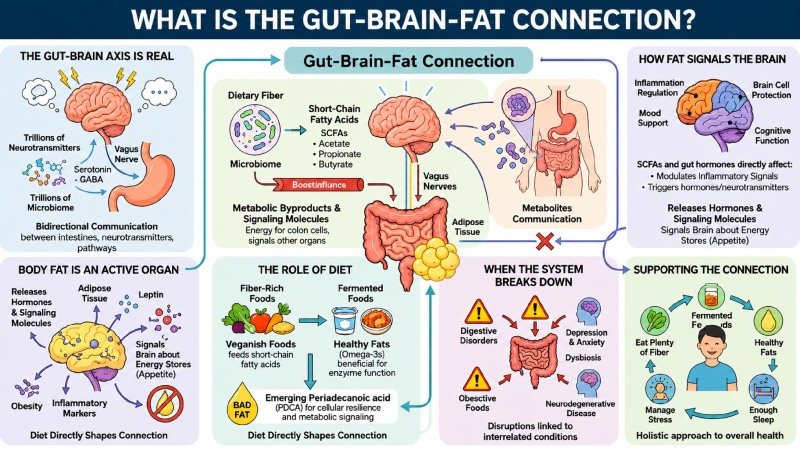
The gut and the brain are linked through the gut-brain axis, a bidirectional communication network that involves nerves, hormones, immune pathways, and chemical messengers. Your gut is constantly sending signals to your brain and receiving them back.
This communication occurs through several channels, including the vagus nerve, the immune system, and the hypothalamic-pituitary-adrenal axis. The trillions of microbes living in your gut, collectively called the microbiome, play a central role. Growing evidence shows the gut microbiotainfluences multiple neurochemical pathways that affect mood, cognition, and stress responses.
Where Fatty Acids Come In
When gut bacteria ferment dietary fiber, they produce compounds called short-chain fatty acids, primarily acetate, propionate, and butyrate. These fatty acids are metabolic byproducts and powerful signaling molecules.
Short-chain fatty acids provide 60 to 70 percent of the energy for the cells lining your colon, but their influence extends throughout the entire body. Research now recognizes them asa major conduit for communication between the gut and the brain. They can enter the bloodstream, cross into cerebral circulation, and even influence brain structure and function.
How Fat Signals the Brain
The fatty acids produced in your gut do remarkable things once they reach the brain. They help regulate inflammation, protect brain cells, and support mood and cognition. They also strengthen the gut barrier and influence immune balance, indirectly affecting brain health by modulating the inflammatory signals that reach the central nervous system.
Even more fascinating, these fatty acids trigger gut cells to release hormones and neurotransmitters, including serotonin and GABA, which directly influence mood regulation. The gut produces a significant portion of the body’s serotonin, which helps explain why gut health and mental health are so closely linked.
Body Fat Is an Active Organ
Body fat (adipose tissue) was once thought to be inert storage. We now know it’s an active endocrine organ that produces its own hormones and signaling molecules. Fat tissue communicates with both the gut and the brain, forming part of the same network.
Adipose tissue releases hormones, such as leptin, that signal the brain about energy stores and influence appetite. When chronic inflammation or metabolic dysfunction disrupts this signaling, it can throw off the entire gut-brain-fat conversation and contribute to weight gain, metabolic problems, and even mood disorders.
The Role of Diet
Because fatty acids are at the heart of this system, what you eat directly shapes the gut-brain-fat connection. A diet rich in fiber feeds the beneficial bacteria that produce short-chain fatty acids, supporting healthy communication across all three systems.
The type of fat you consume matters, too. Omega-3 fatty acids have been shown to influence the gut-brain axis in beneficial ways, supporting both cognitive function and reduced inflammation. Emerging research on odd-chain saturated fatty acids like pentadecanoic acid (C15:0) suggests some previously overlooked fats may play important roles in cellular stability and metabolic signaling, adding another layer to this complex picture.
When the System Breaks Down
Understanding this connection helps explain why so many health conditions seem interrelated.Researchers have linked disruptions in the gut-brain-fat network to digestive disorders, obesity, depression, anxiety, and even neurodegenerative diseases. When the gut microbiome becomes imbalanced, it produces fewer beneficial fatty acids, which can weaken the gut barrier, increase inflammation, and send disrupted signals to the brain and fat tissue.This cascade helps explain why poor gut health so often shows up alongside mood issues and metabolic problems, as they are symptoms of a disrupted communication network.
Supporting the Connection
Because these systems are so interconnected, supporting one often benefits the others. Eating plenty of fiber, incorporating fermented foods, prioritizing healthy fats, managing stress, and getting enough sleep all help maintain healthy communication across the gut-brain-fat axis.
The science here is still evolving, and researchers are actively working to fully map these pathways.But the core insight is clear: your gut, brain, and body fat constantly communicate through fatty acids, shaping how you think, feel, and function.Having that conversation is one of the most holistic things you can do for your overall health.


