
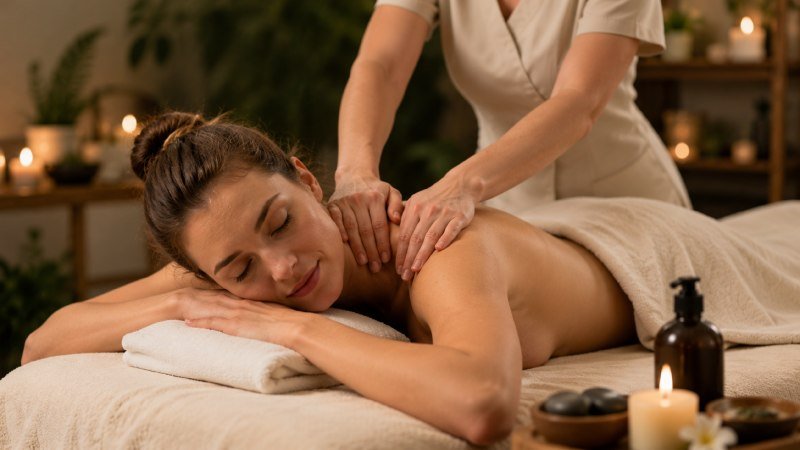
How Massage Therapy Can Help Relieve Everyday Tension
Modern life has a funny way of making us carry stress in our bodies. A long day at a desk can leave your shoulders tight. Hours looking at a screen can contribute to neck discomfort. Even sleeping in an awkward position can leave you feeling stiff the next morning.
Massage therapy can be a simple way to give your body a break while addressing some of that everyday tension.
But massage is not only about relaxation. Depending on the technique used, it can also focus on areas where you regularly experience tightness and muscle discomfort.
Why Does Stress Make Your Body Feel Tight?
When you are stressed, your body naturally becomes more alert. You may unconsciously tighten your shoulders, clench your jaw, or change the way you hold your body.
If this happens regularly, that tension can become something you barely notice until it starts causing discomfort.
This is especially common for people who spend much of their day working at a computer or using a phone. Sitting in the same position for hours can place additional strain on the neck, shoulders, and upper back.
Massage provides an opportunity to slow down and focus on these areas.
Massage for the Neck and Shoulders
Neck and shoulder tension is one of the most common reasons people seek massage therapy.
A professional massage can focus on areas where muscles feel particularly tight. Depending on your needs, the therapist may use techniques ranging from gentle, relaxing strokes to more focused work on areas of muscular tension.
Communication is important. Let your therapist know where you feel discomfort and whether you prefer lighter or deeper pressure. A massage should be tailored to your comfort level and goals.
What About Jaw Tension?
Not all tension happens in the shoulders. Many people hold stress in their jaw, particularly if they frequently clench their teeth or grind them.
This can create discomfort around the jaw, face, temples, and neck.
For people experiencing this type of tension, a specialized approach may be worth discussing with a qualified provider. When people search for TMJ massage Boston, they are often looking for targeted care for the muscles around the jaw and related areas.
Massage may help relax tense muscles, but persistent jaw pain, locking, significant swelling, or other concerning symptoms should be evaluated by an appropriate healthcare professional.
Massage Can Also Be About Mental Relaxation
There is something valuable about simply stepping away from your normal routine.
During a massage, you have a chance to put your phone down, stop answering messages, and spend some uninterrupted time focusing on yourself. The quiet environment and physical relaxation can make it easier to mentally switch off for a while.
That can be particularly helpful when your daily schedule rarely leaves room for a pause.
Choosing the Right Type of Massage
There are many different massage techniques, and they are not all designed for the same purpose.
A relaxation-focused massage may be appropriate when your primary goal is to unwind. If you have specific areas of muscular tightness, a more targeted approach may be better suited to your needs.
If you are new to massage, do not feel like you need to know exactly what treatment to book. Explain what you are experiencing and what you hope to get from the session. A professional can help guide you toward an appropriate massage Boston option based on your needs, comfort level, and wellness goals.
How Often Should You Get a Massage?
That depends on your lifestyle, preferences, and goals. Some people schedule massage occasionally when they feel particularly tense, while others prefer regular sessions as part of their self-care routine.
You do not necessarily need to book frequent appointments to benefit from taking time for yourself. Even an occasional session can provide a welcome break from a busy schedule.
At the same time, if you have recurring pain or discomfort, massage should not replace medical evaluation when one is needed.
Small Habits Can Make a Difference Too
Massage can be helpful, but your everyday habits matter as well. Taking short movement breaks during work, adjusting your workstation, staying active, getting enough rest, and paying attention to your posture can all support your overall comfort.
Try noticing when you tense your shoulders or clench your jaw. Sometimes simply becoming aware of the habit is the first step toward changing it.
Ultimately, massage is about more than spending an hour on a treatment table. It can be a chance to reconnect with your body, release everyday tension, and make self-care part of your routine. The key is choosing an approach that fits your individual needs and working with a qualified professional who listens to you.


