
Why Some Moles Get Removed, and Others Don’t: A Patient’s Guide to Skin Cancer Screening
If you’ve ever walked out of a skin check wondering why your doctor removed one mole but left five others completely untouched, you’re in good company. It’s one of those things patients rarely feel comfortable asking about in the moment, but almost everyone wants to understand.The truth is, the decision isn’t random.There’s a clear process behind it, and once you understand how doctors think about moles, the whole thing starts to make a lot more sense.
How Clinics Are Using Technology to Track Moles?
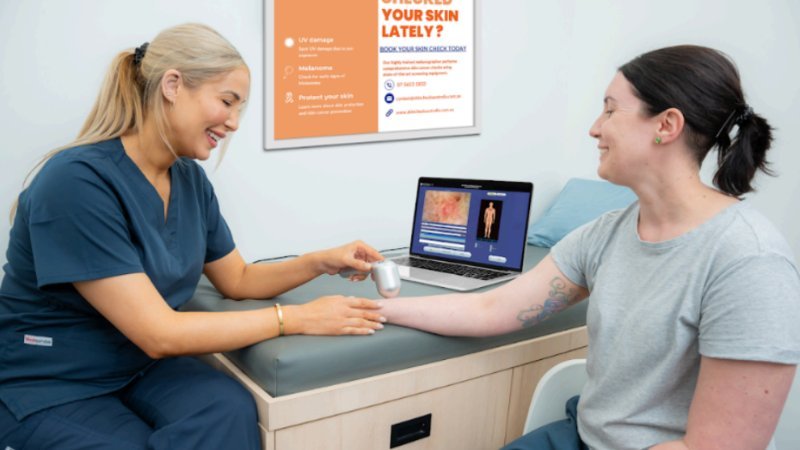
Modern dermoscopy cameras capture high-resolution images that reveal detail beneath the surface of the skin, things like pigmentation patterns and structural changes that the naked eye simply cannot pick up. These images are stored in patient management software and pulled up at each follow-up visit for direct comparison. A good example of what’s being used in clinics today is the MoleMax Lite mole mapping device, a compact system that delivers real-time 2K imaging without requiring a complicated setup. For patients, doctors build and maintain their skin history over time rather than assess it afresh at every single visit.
What Doctors Are Actually Looking At?
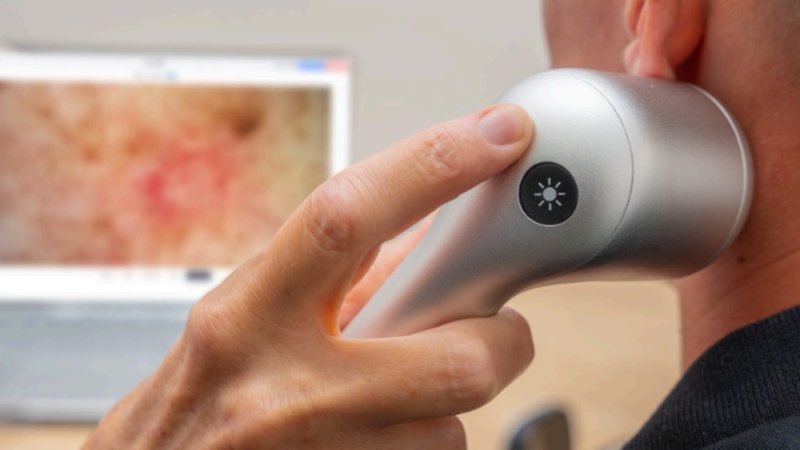
When a dermatologist or GP examines your skin, they work through a set of criteria that decades of clinical practice have refined.You may have come across the ABCDE rule before. It stands for Asymmetry, Border, Colour, Diameter, and Evolution, and it gives clinicians a consistent framework for assessing each mole. A mole that looks uneven, has irregular or blurred edges, contains a mix of colours, is larger than about 6mm, or has visibly changed over time is going to attract more attention than one that is small, symmetrical, and has looked exactly the same for years. That said, the ABCDE rule is a starting point, not a final verdict. Some moles that eventually become problematic don’t tick any of those boxes early on. Which brings us to the part that most patients don’t expect.
Change Is Often More Important Than Appearance?
Here’s something that surprises a lot of people. A mole that looks a little unusual but has stayed the same for several years is generally less concerning than one that looked perfectly ordinary six months ago and has since started to shift. Change over time is one of the most reliable signals a doctor can have. And this is exactly why digital imaging has become such a valuable part of modern skin care. Rather than relying solely on what something looks like during a single appointment, clinicians can now compare detailed photographs taken months or years apart to spot subtle shifts that would be almost impossibleto detect any other way.
Where Mole Mapping Fits In?
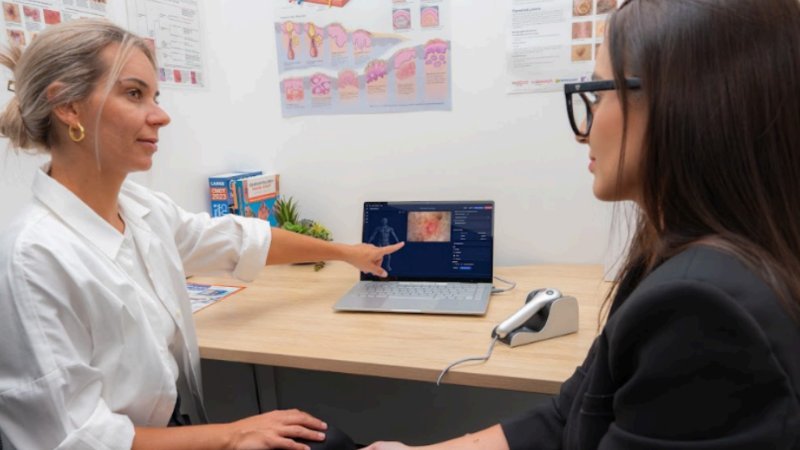
Mole mapping takes this a step further by documenting the entire surface of the skin, rather than focusing only on individual spots of concern. The process begins with a complete set of baseline images that capture every mole, lesion, and pigmented area across the body.Clinics store these images securely and use them for comparison during follow-up visits, which typically take place six to twelve months later.
The importance of this process is straightforward. Most moles that eventually become dangerous do not appear alarming in the beginning. Instead, they change gradually over time. Detecting those changes early, before they develop into something more difficult to treat, is the primary goal of mole mapping.
So, When Does a Mole Actually Get Removed?
A doctor will typically recommend mole removal when it displays multiple warning signs during an examination, when imaging shows noticeable changes between visits, or when a patient’s personal or family history of melanoma makes further investigation necessary. Moles located in areas that are difficult to monitor, as well as patients with weakened immune systems, may also lead doctors to take a more cautious approach.
It is important to understand that removal does not automatically indicate that something is wrong. In many instances, biopsy results come back completely clear. Rather, removal means the doctor found sufficient reason to seek a definitive diagnosis through laboratory testing instead of continuing with observation alone.
After the Mole Is Removed
Doctors do not remove moles without a valid reason. They recommend removal when visual findings, imaging history, or a patient’s medical background provide sufficient evidence to take action rather than continue monitoring. Likewise, doctors usually leave moles untouched when all signs indicate that they are stable and unchanged.
If you are ever uncertain about a decision your doctor makes during a skin examination, do not hesitate to ask for an explanation. Understanding what they observed and the reasoning behind their recommendation is entirely reasonable. A qualified clinician should be willing to explain their findings and guide you through the decision-making process.