Science, Oral Health and the Psychology of Smiling With Overdentures
The human smile is often described as instinctive, but science suggests it is also deeply biological, psychological and social. A smile can signal trust, emotional safety, vitality and confidence before a single word is spoken. Yet for millions of people living with tooth loss, smiling becomes less spontaneous and more calculated. The absence of teeth affects far more than appearance alone. It changes nutrition, speech, facial structure, emotional wellbeing and even the way individuals participate in society. Modern oral rehabilitation, particularly through overdentures, is reshaping this experience by reconnecting science with human psychology in remarkably personal ways.
The discussion surrounding tooth replacement has evolved significantly in recent decades. Dentistry once focused primarily on restoring chewing function or preventing disease progression. Today, oral health science increasingly recognises the mouth as an interconnected system influencing mental health, ageing, cognitive function and social behaviour. Researchers studying the relationship between tooth loss and nutrition have consistently found that people missing teeth often consume fewer fibrous vegetables, fruits and protein-rich foods because chewing becomes difficult or uncomfortable. Softer diets, while convenient, frequently contain higher levels of processed carbohydrates and lower nutritional diversity.
This shift in eating patterns creates a subtle but powerful chain reaction. Poor nutrition may contribute to muscle decline, reduced immunity, inflammation and diminished overall health outcomes in ageing populations. The mouth therefore becomes more than a mechanical structure for eating; it becomes a gateway influencing systemic wellbeing. In this context, overdentures represent more than a cosmetic intervention.Researchers increasingly understand them as a scientifically informed solution that can support both physiological health and psychological recovery.
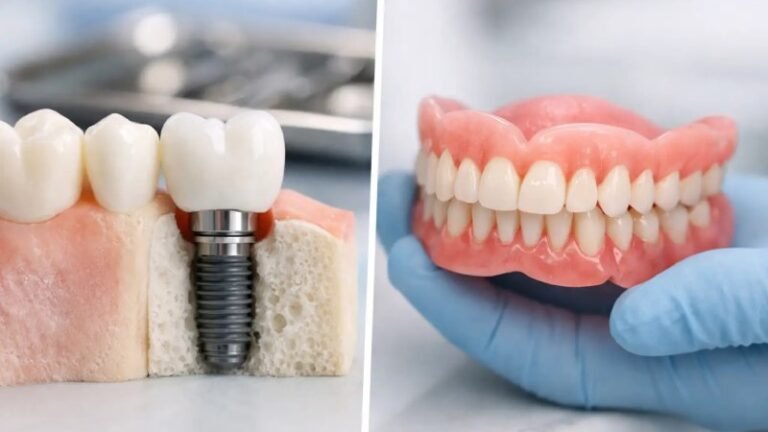
Unlike traditional removable dentures, overdentures are typically supported by retained tooth roots or dental implants, creating improved stability and retention. This biomechanical difference changes the patient experience dramatically. Conventional dentures may slip during speech or eating, often creating anxiety in social situations. Overdentures, by contrast, provide stronger support and greater confidence during daily activities. This increased stability can restore not only oral function but also emotional ease.
The psychology of smiling is profoundly tied to self-perception. Neuroscientific studies show that facial expressions influence emotional feedback loops within the brain. Smiling activates neural pathways associated with positive emotion, social bonding and stress reduction. However, individuals who feel embarrassed about their teeth may unconsciously suppress smiling altogether. Over time, this behavioural adaptation can affect confidence, interpersonal communication and social participation.
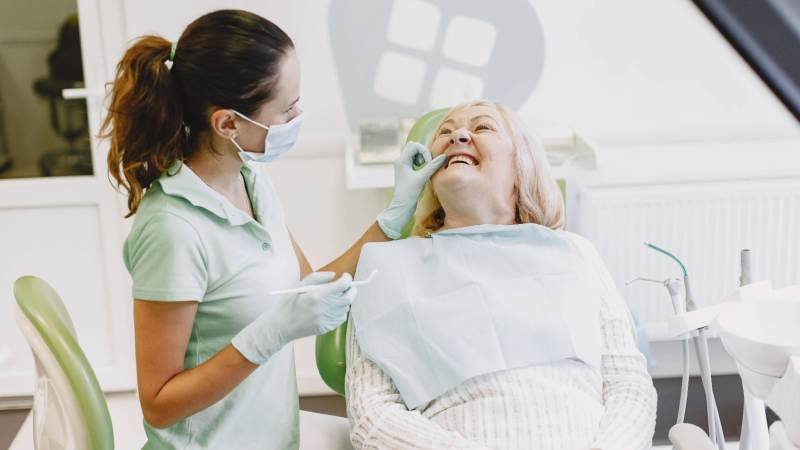
Patients receiving overdentures frequently describe a transition that extends beyond physical comfort. Many report renewed willingness to laugh openly, dine socially or participate in photographs again. These experiences may appear emotionally simple on the surface, yet they reflect a deeper restoration of identity. Tooth loss often carries invisible psychological burdens linked to ageing, vulnerability and diminished attractiveness. By restoring facial support and oral confidence, overdentures may help individuals psychologically reconnect with their own sense of vitality.
There is also an important anatomical dimension to this transformation. Tooth roots and implants help preserve jawbone structure by stimulating the surrounding bone during chewing. Without stimulation, bone resorption gradually occurs, contributing to facial collapse and accelerated ageing in appearance. Scientific advancements in implant-supported overdentures therefore address both function and facial integrity simultaneously. Patients often notice fuller facial contours, improved lip support and clearer speech patterns after treatment.
The relationship between oral health and cognition is another emerging field shaping modern dental thinking. Some studies suggest associations between tooth loss, chronic inflammation and cognitive decline, although researchers continue exploring the complexity of these links. What remains clear is that maintaining chewing efficiency supports broader health outcomes. Efficient mastication improves digestion by mechanically breaking down food more effectively before swallowing. When individuals regain the ability to comfortably chew diverse foods through overdentures, dietary quality often improves alongside nutritional intake.
Importantly, the emotional dimension of eating should not be underestimated. Meals are deeply social experiences connected to culture, memory and belonging. Individuals struggling with unstable dentures or missing teeth may avoid restaurants, family gatherings or celebrations because of embarrassment or difficulty chewing. Restoring oral confidence can therefore restore participation in meaningful social rituals. In many cases, the benefit of overdentures lies as much in psychological liberation as in clinical engineering.
Modern dentistry increasingly acknowledges that dentists cannot measure successful treatment outcomes solely through X-rays or bite force analysis. Oral healthcare researchers now consider patient-reported quality of life an essential metric. Researchers also recognize confidence, social comfort, speech clarity, and emotional wellbeing as legitimate components of successful oral rehabilitation.This broader perspective reflects a growing understanding that dentistry exists at the intersection of biology and human experience.
The future of overdentures will likely continue integrating digital technologies, biomaterials science and personalised care models. Digital scanning, 3D printing and advanced implant planning are already improving treatment precision and patient comfort. Yet despite these technological advancements, the deeper purpose remains profoundly human. Oral rehabilitation is ultimately about restoring connection: connection to food, conversation, self-expression and social confidence.
Science continues to show that the mouth does not function separately from the rest of the body or mind.Oral health influences nutrition, emotional resilience and interpersonal behaviour in ways once underestimated by healthcare systems.The evolving evidence surrounding the relationship between tooth loss and nutrition further strengthens the argument that people should view tooth replacement therapies as integral components of whole-person health rather than as purely aesthetic services.
In this broader context, overdentures symbolise more than dental innovation. They represent the convergence of biomechanics, psychology and human dignity. A stable smile can restore something deeply fundamental: the ability to engage with the world without hesitation. For many individuals, that transformation is not merely clinical. It is profoundly life changing.