
Understanding How Nutrients Reach Your Cells
When people think about nutrition, they often focus on what foods they eat or which supplements they choose. While those decisions certainly matter, people often overlook another important factor: how well the body can actually absorb and use those nutrients. Consuming vitamins, minerals, proteins, and other beneficial compounds is only part of the equation. Before those nutrients can support normal bodily functions, the body must first digest, absorb, transport, and deliver them to cells throughout the body.
This process is known as nutrient absorption and bioavailability. It is a fascinating area of nutritional science because it helps explain why two people eating similar diets may experience different outcomes. Factors such as age, digestive health, food preparation methods, nutrient interactions, and overall lifestyle can all influence how efficiently the body utilizes nutrients. Understanding these concepts can help people make more informed choices about their diet and wellness routines.
What Is Nutrient Absorption?
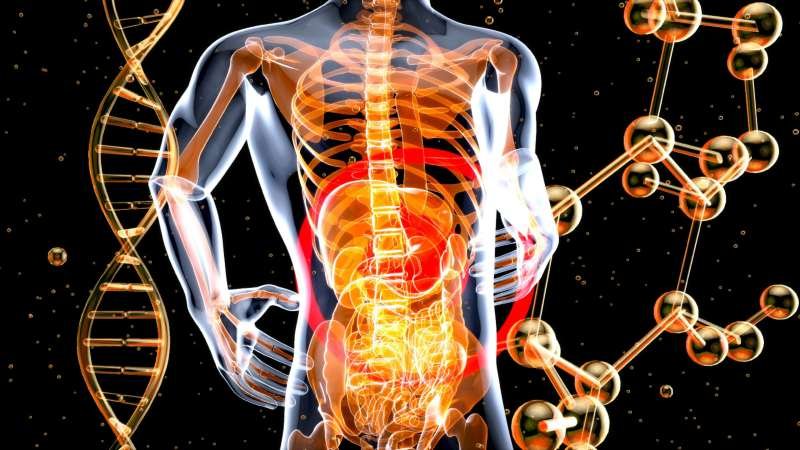
Nutrient absorption refers to the process by which the body takes nutrients from food and moves them into the bloodstream. Most absorption occurs in the small intestine, where specialized structures called villi and microvilli create a large surface area for nutrient uptake.
The journey begins in the mouth, where chewing starts breaking food into smaller pieces. Digestion continues in the stomach and intestines through the action of enzymes and digestive fluids. As the digestive system breaks food components down into smaller molecules, it makes nutrients available for absorption. The body converts carbohydrates into simple sugars, proteins into amino acids, and fats into fatty acids and glycerol.
Once absorbed, these nutrients travel through the bloodstream to tissues and organs where they contribute to countless biological processes, including energy production, cellular repair, immune function, and normal growth and development.
Defining Bioavailability
Bioavailability describes the proportion of a nutrient that is absorbed and available for the body to use. Simply put, it measures how much of a consumed nutrient actually reaches circulation and becomes accessible to cells.
For example, a food may contain a substantial amount of a particular vitamin, but the body may absorb only a portion of that vitamin. Likewise, two foods with similar nutrient levels may provide very different bioavailability depending on how the food matrix packages those nutrients.
This concept helps researchers better understand nutrient effectiveness and guides the development of dietary recommendations. Bioavailability is especially important when evaluating foods, fortified products, and dietary supplements because nutrient content alone does not always reflect how much the body can utilize.
Factors That Influence Nutrient Bioavailability
Several factors affect how efficiently nutrients are absorbed and used. Digestive health is one of the most significant influences. Conditions that affect the stomach, intestines, or digestive enzymes may impact nutrient uptake.
Nutrient interactions are another important consideration. Vitamin C can enhance the absorption of non-heme iron found in plant foods, while compounds such as phytates, naturally present in some grains and legumes, may reduce absorption of certain minerals when consumed in large amounts.
Age, stress levels, hydration status, medication use, and overall dietary patterns may also influence nutrient absorption. Because many factors interact simultaneously, nutrition science often looks at dietary habits as a whole rather than focusing on individual nutrients in isolation.
The Role of Food Matrices and Delivery Systems
Scientists increasingly recognize the importance of food matrices, which refers to the complex structure and composition of foods. Nutrients do not exist independently within foods. They are surrounded by proteins, fibers, fats, water, and other compounds that can affect how they are released and absorbed during digestion.
For example, when people consume fat-soluble vitamins such as vitamins A, D, E, and K alongside dietary fat, the body generally absorbs them more effectively. This is one reason nutrition experts often recommend balanced meals with a variety of nutrient sources.
Researchers like USANA also study delivery systems used in nutritional products. Different formulations may influence how nutrients dissolve, remain stable, and become available during digestion. These scientific investigations help improve understanding of nutrient behavior within the body while recognizing that individual responses may vary.
USANA science and broader nutritional science continues to explore how formulation, nutrient combinations, and product quality may influence nutrient delivery and utilization.
Why Absorption Matters More Than Quantity Alone
It can be tempting to focus exclusively on nutrient amounts listed on nutrition labels. However, the body’s ability to absorb and use those nutrients is equally important. A balanced diet rich in fruits, vegetables, whole grains, lean proteins, and healthy fats generally provides a strong nutritional foundation while supporting normal digestive processes.
Rather than chasing extremely high nutrient levels, many nutrition professionals encourage consistent dietary habits that support overall wellness. Eating a variety of nutrient-dense foods, maintaining hydration, engaging in regular physical activity, and supporting digestive health can all contribute to effective nutrient utilization. The goal is not simply to consume nutrients but to create conditions that help the body process them efficiently.
Understanding these processes can help individuals make more informed dietary choices while appreciating the remarkable systems that work behind the scenes every day. Although researchers continue to uncover new insights into nutrient delivery and utilization, one principle remains consistent: a balanced diet, healthy lifestyle habits, and attention to overall wellness provide a strong foundation for supporting the body’s natural ability to absorb and use nutrients effectively.


