

How Faith and Mental Health Support Can Work Together During Hard Seasons
A grandmother prays every morning for her grandson, who came home from deployment quieter than he left. A spouse keeps showing up to Wednesday night service, even on the weeks when nothing inside feels steady. A teenager in a military family lights a candle before bed because that small ritual is the one part of the day that still feels like hers.
These quiet acts hold something real. They are not a replacement for clinical care, but they are not nothing, either. For many families, especially those navigating long deployments, frequent moves, and the weight of caregiving, spiritual life is woven into how they cope. When a hard season arrives, faith and professional support do not have to compete. They can sit at the same table.
Why This Question Matters for Military Families
Military life carries a particular kind of strain. Reassignments interrupt routines. A parent gone for months changes how a household runs. Kids may not say much, but they feel the absence. Spouses hold things together while quietly running low themselves. In communities where prayer, scripture, and congregation are part of daily rhythm, it makes sense that families turn there first.
But sometimes prayer alone does not lift what someone is carrying. That is not a failure of faith. It is a signal that the body and mind also need care, the way a broken bone needs a cast even when you believe in healing. Holding both is allowed.
That same logic applies when seeking help: one practical step is understanding ahead of time what options are available, what insurance covers, whether a referral is needed, and whether telehealth is a viable alternative for getting support between sessions. Knowing this before a difficult week arrives removes an unnecessary burden.
What the Research Suggests About Combined Support
The evidence surrounding faith-integrated mental health care is still developing, and the picture is more nuanced than absolute. What researchers consistently find is that people engage more with treatment when it fits their values, schedules, and preferences.
For a family deeply connected to faith, this may mean choosing a provider who respects spiritual language or a telehealth setup that allows them to attend both therapy and religious services within the same week.
Family involvement matters too. When faith already shapes how a family gathers and supports one another, that closeness can become an asset within treatment rather than a distraction from it.
When Faith Helps, and When It Is Not Enough on Its Own
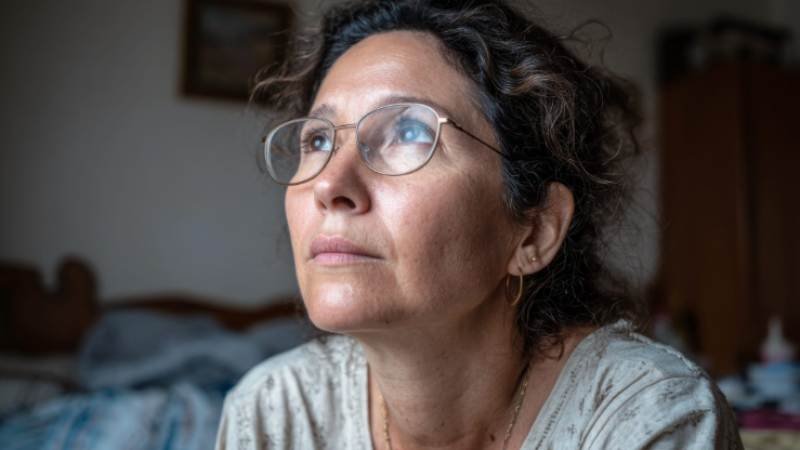
Faith communities offer things therapy cannot: belonging, ritual, meaning, and the feeling of being part of something larger than this difficult week. And those things are not small. Especially for caregivers, the prayer chain that delivers a meal on the third day of a crisis represents real support.
At the same time, certain experiences require clinical attention. Persistent sleep problems, panic attacks that interrupt daily life, intrusive thoughts, withdrawal, alcohol use that has started to feel different, a child who has become quiet in a way that worries you. These are not signs of weak faith. They are signals from the nervous system, from grief, from accumulated stress, and sometimes from trauma that has not had space to settle.
A useful way to frame it is this: faith often holds the meaning of what you are going through. Clinical care often addresses how your mind and body are responding. Both things can be true at the same time.
What Combined Care Can Look Like During a Real Week
For a military family, a manageable rhythm might look something like this: a wife attends a virtual therapy session on Tuesday afternoon while the kids are at school. On Wednesday evening, the family goes to church together. On Thursday, she texts a trusted friend from the congregation about something that came up in therapy — not the clinical details, just the part about feeling emotionally tender. On Sunday, there is rest, however imperfect.
None of that constitutes a treatment plan. It is simply a life where care is woven in. The point is that therapy does not have to replace spiritual life. It can coexist with it.
For families considering virtual options, a few practical questions tend to come up:
- Does the provider accept the available health insurance, and what type of referral or authorization is required?
- Is the clinician comfortable working with patients who bring faith into conversations?
- How does scheduling work during military rotations or relocation seasons?
- What options exist if a more intensive level of support becomes necessary at some point?
Those questions are worth asking out loud before a harder week arrives.
Talking With a Faith Leader and a Clinical Professional
Pastors, chaplains, and lay leaders are often the first call. And that makes sense. They know the family, the history of deployments, the loss from last year. A good spiritual leader also understands where their role ends. Many will gently recommend professional support when something seems to go beyond pastoral care.
If you are not sure how to begin that conversation, it can be as simple as saying: “I want to keep coming here, but I think I also need to talk to someone from a clinical perspective. Can you help me think through that?” Most leaders will respond openly.

Holding Both Without Apology
Hard seasons are not a judgment on faith. They are seasons. The presence of suffering does not mean faith has failed any more than a fever means the body has failed. It means something needs attention.
For families exploring how mental health and faith can coexist, the path is rarely tidy. Some weeks the primary support comes from the congregation. Other weeks it comes from the therapist. Many weeks it comes from both, along with the slow, ordinary practices that keep a household standing: shared meals, honest prayers, a returned phone call, and a therapy session that someone showed up to.
If something inside you, or inside someone you love, has been quietly getting worse, it is worth saying out loud — to a clinical professional, to a spiritual leader, or to someone you trust.
Safety Disclaimer
If you or someone you love is in crisis, call 911 or go to the nearest emergency room. You can also call or text 988, or chat via 988lifeline.org to reach the Suicide & Crisis Lifeline. Support is free, confidential, and available 24/7.
Author Bio
Earl Wagner is a health content strategist focused on behavioural systems, clinical communication, and data-informed healthcare education.
Sources
- Katie R Berry. (2023). The Impact of Family Therapy Participation on Youths and Young Adult Engagement and Retention in a Telehealth Intensive Outpatient Program: Quality Improvement Analysis. JMIR formative research. https://doi.org/10.2196/45305
• Brianna Cerrito. (2024). Therapy Mode Preference Scale: Preliminary Validation Methodological Design. JMIR formative research. https://doi.org/10.2196/65477