
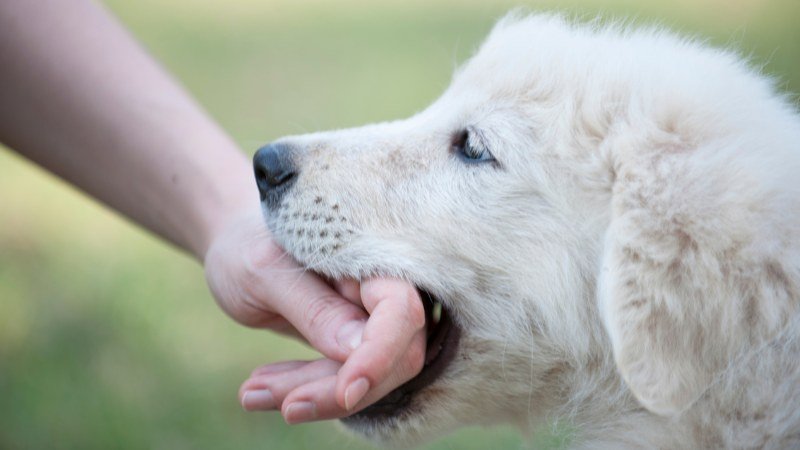
Dog Bite Scars and Recovery: Physical and Emotional Healing
A dog attack leaves more than a wound that closes over time. For many victims, the aftermath involves visible scarring, ongoing medical care, and emotional effects that take far longer to address than the initial injury. Recovery is rarely a straight line. It moves through physical treatment, scar management, financial strain, and mental health work, often all at once.
This article walks through what that process actually looks like, from the moment of injury through the longer road of rebuilding confidence and well-being.
The Immediate Impact of a Dog Bite Injury
The first hours after a bite set the tone for how well a person heals. Most attacks produce puncture wounds, tearing, bruising, and heavy bleeding, depending on the size of the animal and where the bite lands. The most commonly affected areas are the cheek, lips, ear, and nose, though hands and arms are also frequent targets, especially when someone raises an arm to shield their face.
Each day, nearly 1,000 U.S. citizens require emergency care for serious dog bite injuries, and approximately 12,480 are hospitalized annually. Those numbers reflect only the cases serious enough to prompt an ER visit. Many more go untreated, which creates its own set of risks.
Infection is a major concern. A dog’s mouth carries a range of bacteria, and puncture wounds in particular can trap those bacteria deep under the skin. Immediate cleaning with soap and water, followed by a medical evaluation, is not optional. It is the step that most directly affects both infection risk and long-term scarring.
How Dog Bite Scars Develop and What Affects Healing
Scar tissue forms when the body repairs damaged skin. After a bite, the dermis, the deeper layer of skin, sends collagen to close the wound. That collagen does not lay down the same way as healthy skin, which is why scars look and feel different from the surrounding tissue.
Several factors shape how a scar develops:
- Wound depth: Deeper bites that reach muscle or fat tissue produce more significant scarring.
- Location on the body: Areas with thinner skin, like the face, tend to scar more visibly.
- Age and skin type: Younger skin heals faster but can also produce raised or thickened scars more easily.
- Speed of treatment: Wounds cleaned and closed promptly tend to heal with less noticeable marks.
Common scar types include hypertrophic scars, which are raised and red, flat scars with uneven texture, and areas of hyperpigmentation or discoloration. Facial bites, which are among the most common in children, often result in scars that affect appearance in ways that carry their own emotional weight.
Managing Medical Costs and Understanding Your Legal Options
Treatment for a serious bite rarely ends at the emergency room. The full picture often includes stitches, antibiotics, follow-up visits, and, in more severe cases, plastic surgery or scar revision procedures. The average cost of a hospital stay due to a dog bite runs about $18,200, a figure that does not account for outpatient care, therapy, or lost income during recovery.
For victims dealing with significant scarring or long-term injury, those costs accumulate fast. Some people find themselves weighing options they never expected to consider, including whether the dog owner bears legal responsibility for what happened.
When injuries are serious, some victims consult a dog bite lawyer to understand what liability looks like in their state and what expenses may be recoverable. This is not the right step for every situation, but for cases involving reconstructive surgery, ongoing therapy, or permanent scarring, understanding all legal options can be a practical part of managing the financial side of recovery.
Treating and Reducing Dog Bite Scars
Scar care works best when it starts early and stays consistent. Silicone gels and silicone sheets are among the most widely used tools, flattening and softening raised scars over time when worn regularly. Prescription creams, including those with retinoids or corticosteroids, address discoloration and texture. Both require weeks or months of use before results become visible. Consistency is everything here.
For more significant scarring, dermatological procedures offer stronger results:
- Laser treatments reduce redness and improve skin texture by targeting the surface layers.
- Microneedling stimulates collagen remodeling and works well on flat, textured scars.
- Surgical revision is an option for severe or functionally limiting scars, reshaping the tissue or repositioning the scar line.
A dermatologist is the right starting point for anyone dealing with noticeable scarring. Self-treating with over-the-counter products alone often produces limited results when the underlying scar is deep or complex.
The Emotional Side of Recovery After a Dog Attack
Physical healing gets most of the attention. The psychological effects, though, can be just as disruptive. Studies show that up to 25% of victims develop significant psychological symptoms, including PTSD, anxiety, and specific phobias.
Children are especially vulnerable to these symptoms, and many victims never receive the psychological support they need, with symptoms persisting for months or years after the attack. Adults are not immune, but children who experience facial injuries or attacks from a familiar animal often carry a heavier psychological burden.
The Mayo Clinic advises victims of traumatic events like dog attacks to take their symptoms seriously, including consulting a mental health provider if disturbing thoughts and feelings last more than a month. Waiting for symptoms to resolve on their own is not always a reliable strategy. Sometimes they don’t.
Rebuilding Confidence and Moving Forward
Emotional recovery, like physical recovery, takes time and does not follow a fixed schedule. For people who develop a fear of dogs, gradual, controlled exposure guided by a therapist tends to be more effective than avoidance. Avoiding all contact with dogs provides short-term relief but often deepens the fear over months and years.
Counseling, cognitive behavioral therapy, and support groups all offer structured ways to process the experience. Visible scars can affect body image and self-confidence, and that dimension of healing deserves as much attention as the physical scar itself. Therapy that addresses both the trauma of the attack and the feelings tied to appearance can make a real difference.
Recovery looks different for everyone. Some people move through it in months. Others need longer. What matters is that both the body and the mind get the care they need to get there.
The Bottom Line
A dog bite sets off a recovery process that involves far more than wound care. Scars form, costs build, and emotional effects surface in ways that are not always immediate or obvious. Early treatment reduces the severity of scarring. Consistent scar management improves long-term outcomes.
And mental health support, when needed, is not a secondary concern but a core part of getting well. Visible marks may remain, but with the right care and enough time, both confidence and quality of life can be rebuilt.


