
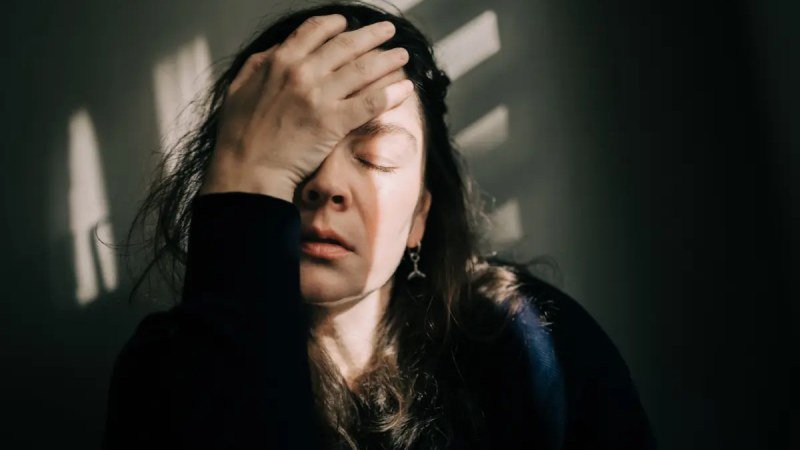
Why People May Turn to Drugs During Stressful Life Seasons and How Temporary Escape Can Become Long-Term Addiction
Stress can make life feel smaller. Your thoughts narrow. Your body gets tense. Even simple things, like answering a message or getting out of bed, can feel heavier than they should. When pressure keeps building, people start looking for relief wherever they can find it.
For some, that relief comes through drugs.
That does not always begin with wild behavior or reckless choices. Sometimes it begins quietly. A person is grieving. A relationship has ended. Money is tight. Work feels impossible. Family problems keep coming. Trauma from the past starts showing up again. Loneliness gets too loud. Then someone tries a substance and, for a moment, the noise fades.
That moment can feel like breathing room.
But temporary escape has a way of becoming something bigger. What starts as “just this once” can turn into a habit. A habit can turn into dependence. Dependence can grow into addiction, especially when drugs become the main way a person handles pain.
This is why stress and addiction are so closely connected. Drug use often starts as a response to emotional overload. The person is not only chasing pleasure. Many times, they are trying to feel less afraid, less sad, less empty, or less trapped.
Stress Doesn’t Always Look Loud
Stress does not always arrive with shouting, crying, or an obvious crisis. Sometimes it looks normal from the outside. A person still goes to work. They answer calls. They smile at family. They pay bills, cook dinner, and act like they have everything under control.
But inside, they may feel worn down.
That is one of the tricky things about stress. It can hide behind routine. A person can look productive while barely holding themselves together. They can seem calm while their mind is racing. They can say, “I’m fine,” because explaining the truth feels too tiring.
Over time, that kind of stress affects the body and brain. Sleep gets worse. Patience gets shorter. Small problems feel bigger. The nervous system stays on alert, like a phone battery stuck at two percent. You can still use it, but everything feels fragile.
Why the Brain Looks for Fast Relief
When a person is under constant stress, the brain wants comfort fast. It wants something that changes the feeling right now, not next month, not after five therapy sessions, not after a long talk with a friend.
Drugs can create that fast change. Some substances numb pain. Some create a rush of pleasure. Some make people feel confident, relaxed, detached, or awake. For someone dealing with grief, trauma, or pressure, that quick shift can feel like a shortcut out of suffering.
And honestly, it makes sense. When people are hurting, they want the hurting to stop.
The problem is that the brain remembers relief. If drugs seem to work during one painful night, the brain starts to connect the substance with survival. The next time stress hits, the craving can return. Not because the person is weak, but because the brain has learned a pattern.
Pain arrives. Use follows. Relief comes. Then the cycle repeats.
Grief, Trauma, Loneliness, and Pressure Can Push People Toward Escape
Grief can make everyday life feel strange. Food tastes different. Sleep feels broken. Even familiar places can feel empty. When someone loses a loved one, a relationship, a job, or even a version of life they thought they would have, they may reach for anything that softens the ache.
Trauma can do something similar. It can leave people feeling unsafe long after the danger has passed. A sound, smell, place, or memory can pull the body back into fear. When that happens, drugs can seem like a way to shut off the alarm.
Loneliness is another quiet driver. People often think loneliness means being physically alone, but that is not always true. You can be surrounded by people and still feel unseen. You can have followers, coworkers, classmates, or family nearby and still feel like nobody really knows what you are carrying.
Pressure adds another layer. Modern life asks people to keep performing. Be strong. Stay productive. Reply quickly. Look okay. Keep up. Don’t fall behind. That pressure can become exhausting, especially when someone has no safe place to admit they are struggling.
The Private Pain People Don’t Talk About
Many people use drugs in private because they do not know how to talk about their pain. They fear judgment. They fear being treated differently. They fear hearing advice that sounds easy but does not fit real life.
So they hide it.
They may use after work, after school, after an argument, or after everyone else has gone to sleep. At first, it can feel controlled. They tell themselves they are only using to calm down or get through a bad season.
But hard seasons can last longer than expected. Stress rarely follows a neat schedule. One problem ends, then another shows up. When drugs become the answer each time, the brain starts to expect them.
That is where danger grows. The person may still believe they are choosing relief, but the choice begins to feel less free.
When “Just This Once” Becomes a Pattern
Addiction often begins with small promises. “Only tonight.” “Only this weekend.” “Only because things are bad right now.” Those promises can feel believable at first.
Then life gets stressful again.
The person uses it again, and the pattern gets stronger. The substance becomes part of how they cope. Not just with big grief or trauma, but with boredom, anger, fear, social anxiety, or even celebration. Slowly, drugs move from the edge of life toward the center.
This shift can be hard to notice while it is happening. Addiction does not always announce itself. It can grow in tiny decisions. One more dose. One more night. One more excuse. One more secret.
Then the person starts needing more to feel the same relief. They may feel restless, sick, anxious, or low when they stop. They may spend more time thinking about the next chance to use. They may pull away from people who would ask questions.
That is not just “bad behavior.” It is a sign that the brain and body are changing.
Dependence Can Sneak Up Slowly
Dependence can feel confusing because the person may still function for a while. They may keep their job. They may care for their family. They may still laugh, work, study, and show up.
But inside, the substance has become part of their balance. Without it, they feel off. With it, they feel normal for a short time. That is one reason stopping can be so hard.
For some people, quitting suddenly can also bring withdrawal symptoms. These symptoms can be painful and, in some cases, risky. That is why support matters. A person who needs help stopping does not have to face it alone. Care from a place such as a Medical detox center in Washington can give people a safer starting point when withdrawal or heavy substance use is part of the problem.
The goal is not to shame someone for needing help. The goal is to keep them safe while they begin to heal.
Temporary Escape Can Start Rewriting Daily Life
Drug use changes more than mood. Over time, it can change routines, relationships, money choices, sleep, work habits, and self-trust.
A person may start planning around the substance. They may avoid events where they cannot use. They may lie to people they love. They may lose interest in hobbies, goals, or responsibilities that used to matter. Little by little, life becomes organized around getting relief.
That is one of the painful parts of addiction. The thing that once felt like escape starts creating more stress. It causes conflict. It drains money. It damages health. It brings guilt. Then guilt becomes another reason to use.
It is a hard loop to break.
The Shame Cycle Is Real
Shame keeps people quiet. It tells them they are bad, broken, or beyond help. It says, “You should have known better.” It says, “Nobody will understand.”
But shame lies.
People do not recover well from shame. They recover better with honesty, safety, and support. That does not mean avoiding responsibility. It means understanding that responsibility works best when it is paired with care.
A person can admit the harm caused by drug use and still deserve help. Both things can be true. They can feel regret and still rebuild. They can feel lost and still find a way forward.
Sometimes the first real step is simple but heavy: telling the truth. “I think this has become a problem.” That sentence can open a door. It can turn secrecy into support.
Stress Coping Needs More Than Willpower
Telling someone to “just stop” misses the point. If drugs have become their main coping tool, stopping leaves a gap. The stress is still there. The grief is still there. The trauma, loneliness, and pressure do not disappear overnight.
That gap needs care.
People need new ways to handle hard emotions. They need support that makes sense for real life. That can include therapy, medical care, recovery groups, stable routines, better sleep, safer friendships, and honest conversations with people who do not respond with judgment.
Recovery is not only about removing drugs. It is about learning how to live without needing drugs to survive every hard feeling.
Therapy Helps People Understand the “Why”
Therapy can help people understand what lies beneath the substance use. Maybe they use it because anxiety feels unbearable. Maybe they use it because old trauma keeps returning. Maybe they feel lonely, ashamed, angry, or tired of being strong all the time.
When people understand the “why,” they can start building better tools.
This is where addiction therapy support can help. Therapy gives people space to talk about cravings, stress, relationships, relapse triggers, and emotional pain without pretending everything is fine.
It can also help people prepare for stressful seasons before they hit. Because stress will come again. That is life. The difference is learning how to meet stress without letting it pull the person back into the same cycle.
Young People Need Early Support, Not Judgment
Young people deal with stress, too, even if adults sometimes dismiss it. School pressure, family conflict, bullying, social media, body image, identity struggles, and fear about the future can weigh heavily on teens and young adults.
Some young people turn to drugs because they want to fit in. Others do it because they want to feel numb. Some are curious. Some are hurting. Many do not have the language to explain what is going on inside them.
That is why early support matters. If a young person starts using substances during emotional stress, punishment alone does not solve the root problem. They need boundaries, yes. But they also need someone to ask, “What pain is this helping you escape?”
Teens Often Hide Pain Behind Behavior
A stressed teen may not say they are overwhelmed. They may act angry, careless, distant, or defiant. They may stop caring about school. They may sleep too much or not enough. They may change friend groups or become secretive.
It is easy to focus only on the behavior. But behavior often carries a message.
When adults slow down and look deeper, they can respond with more wisdom. A teen who feels judged will hide more. A teen who feels seen has a better chance of opening up.
Families who notice emotional distress, risky behavior, or early substance use can look for help through a resource such as Drug and alcohol rehab in West Virginia. Early care can help young people understand their emotions before harmful patterns become harder to break.
Recovery Starts With One Honest Step
Drug addiction can begin as a way to escape pain, but recovery begins with facing the truth more safely.
That truth may sound simple. “I am stressed.” “I am grieving.” “I am using more than I planned.” “I need help.” These words can feel scary, but they matter.
No one gets through life without stress. People lose loved ones. Relationships break. Jobs change. Bills arrive. Trauma resurfaces. Loneliness visits. Hard seasons are part of being human.
But drugs are a risky shelter. They may block the storm for a short time, but they often create a bigger one later.
The good news is that addiction is not the end of the story. People recover. They rebuild trust. They learn new coping skills. They repair their health. They reconnect with family. They find peace in ordinary things again, like sleep, steady mornings, honest talks, and small wins that do not need to be posted anywhere.
Recovery does not require a perfect person. It starts with a willing one.
And if someone is reading this while quietly wondering whether their “temporary escape” has become something more, that question itself matters. It may be the first honest sign that help is needed. Not shame. Not punishment. Help.