How Mind-Body Fitness Trends Like Pilates, Yoga, Breathwork, and Low-Impact Training Are Supporting Both Physical and Mental Health
Overview:
This article can discuss why many people are choosing workouts that improve strength while also calming stress. It can explore how low-impact movement supports flexibility, body awareness, emotional balance, and recovery.
Fitness is starting to feel different.
For a long time, people treated exercise like a test of toughness. The harder the workout, the better. The more sweat, the more success. The louder the music, the more serious the routine seemed. That kind of training still has its place, of course. Some people love heavy lifting, sprinting, boot camps, and high-energy classes. There is nothing wrong with that.
But more people are now asking for something else from fitness. They still want strength. They may still aim to improve their posture, increase stamina, and achieve overall better physical health. But they also want calm. They want workouts that do not leave them feeling crushed. They seek forms of movement that support deeper breathing, improve sleep quality, and reduce feelings of stress and mental pressure.
These workouts are not only about building muscle or burning calories. They help people reconnect with their bodies in a quieter, more aware way. They teach control, patience, balance, and recovery. And honestly, that sounds like exactly what many people need right now.
A good workout does not always have to feel like a battle. Sometimes it feels like returning to yourself.
Why Mind-Body Fitness Is Having a Moment
Mind-body fitness is not new.Yoga has existed as a practice for many thousands of years.Pilates has been around for decades. Breathwork has roots in many cultures and healing traditions. Low-impact movement has always helped people protect their joints, recover from injury, and stay active through different life stages.
So why does it feel so current now?
Part of the reason is stress. Many people live with constant mental noise. Phones buzz. Work follows them home. Social media creates pressure to look productive, attractive, calm, and successful all at once.Even resting can begin to feel like just another item that needs to be completed.It is a lot.
When life feels overstimulating, a workout that slows you down can feel almost strange at first. You are not chasing speed. You are not in competition with the person next to you. You are paying attention to your breath, your spine, your hips, your shoulders, your feet on the floor. That attention can feel simple, but it can also feel powerful.
Pilates, yoga, and low-impact training help the body build strength without adding more chaos. Breathwork helps calm the nervous system. Gentle movement helps reduce stiffness. Stretching helps release tension that people often carry without even noticing it.
Here’s the thing: people are not only tired in their muscles. They are tired in their minds. Mind-body fitness speaks to both.
It gives people a way to move, but not in a frantic way.It provides structure without feeling like punishment. It gives them progress, but not pressure. That is a big reason these workouts have moved from niche studios into mainstream fitness spaces, online classes, wellness apps, rehab programs, and even workplace health conversations.
Pilates and Yoga Are Redefining What Strength Looks Like
Strength is not only about lifting the heaviest weight in the room. Real strength also means control. It means being able to move well, stand tall, balance, bend, breathe, and recover without feeling like the body is always fighting itself.
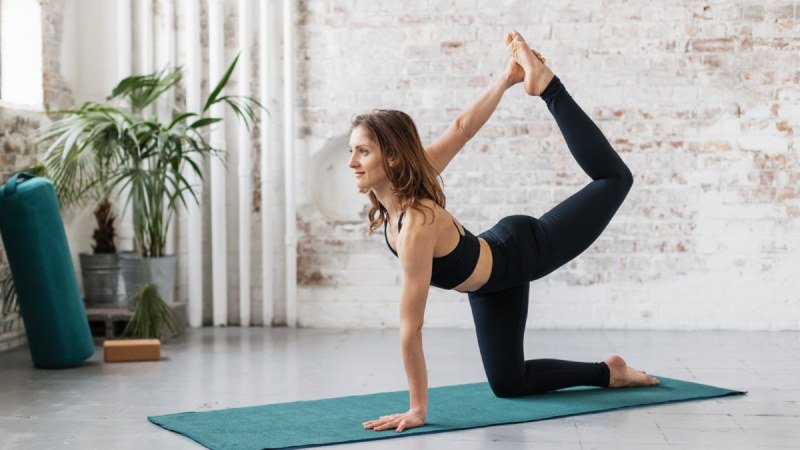
Pilates is a great example of this. At first glance, it can look calm. A person lies on a mat, moves slowly, and focuses on small controlled motions. But anyone who has tried a tough Pilates class knows the truth. Those tiny movements can make your core shake. Your legs burn. Your posture wakes up. You suddenly notice muscles you did not even know were working.
That is part of the beauty of it. Pilates trains deep muscles that support the spine, hips, and pelvis. These muscles help with posture, balance, and everyday movement. You use them when you carry groceries, climb stairs, sit at a desk, or get out of bed without feeling stiff.
Yoga adds another layer. It blends movement, breath, balance, flexibility, and mental focus. Some styles are slow and gentle. Others are more active and strength-based. But even in a challenging yoga class, the goal is not just to push harder. The focus is on remaining present, working through discomfort with steady breathing, and observing the body’s internal sensations.
That is different from the old “ignore the pain and keep going” mindset.
Mind-body fitness asks you to listen. Is this stretch helpful or too sharp? Are you holding your breath? Are your shoulders tense? Are you rushing because your mind is rushing? These questions sound small, but they help people build better body awareness.
And body awareness matters. Many people walk around disconnected from their bodies until something hurts. They notice their back only when it aches. They notice their breathing only when anxiety hits. They notice their posture only when their neck feels tight. Pilates and yoga help people notice earlier, before the body has to shout.
Breathwork Shows How Closely the Body and Mind Are Connected
Breathing is automatic, so people often forget how much it affects the way they feel.
When someone is stressed, their breathing often becomes shallow. The chest tightens. The shoulders lift. The jaw clenches. The body starts acting like danger is nearby, even if the “danger” is just an email, a deadline, a bill, or a hard conversation.
Breathwork helps interrupt that pattern.
Slow breathing sends a calming signal to the body. It tells the nervous system that it does not need to stay on high alert. This is why breathwork is now used in yoga classes, fitness studios, therapy settings, meditation apps, and recovery spaces. It is simple, but it is not silly. It gives people a tool they can use in real time.
You can use breathwork before a workout to focus. You can use it after exercise to cool down. You can use it before bed when the mind refuses to quiet down. You can even use it in the middle of a stressful day, sitting in your car or standing in the kitchen while dinner cooks.
For people dealing with substance use, anxiety, grief, or emotional overload, learning how to calm the body can become an important part of healing. Movement and breathing do not replace medical care, but they can support healthier routines. People who need help with substance use and withdrawal can also benefit from professional support, such as Outpatient detox in Georgia, especially when safety and structure are needed.
That connection between breath and recovery is worth paying attention to. When people feel overwhelmed, they often reach for anything that gives quick relief. Breathwork offers a healthier pause. It does not solve every problem, but it can create a moment of space. And sometimes, a moment of space is enough to make a better choice.
Honestly, the simplicity is what makes it useful. No machine. No membership. No perfect setting. Just breath, body, and a few quiet minutes.
Low-Impact Training Supports Strength Without Wearing the Body Down
Low-impact training has a reputation problem. Some people hear the phrase and think it means easy. It does not.
Low-impact simply means the workout places less force on the joints. Your feet are not constantly pounding the floor. Your knees, hips, and ankles get less stress. But your muscles can still work hard. Your heart rate can still rise. Your balance, control, and endurance can still improve.
Think of low-impact workouts like smart training rather than soft training.
Walking, cycling, swimming, Pilates, yoga, barre, resistance band workouts, mobility flows, and controlled strength circuits can all fit into this category. These workouts help people stay active without the wear and tear that comes from constant jumping, sprinting, or heavy impact.
This matters for beginners. It matters for people in larger bodies. It matters for older adults. It matters for people coming back after injury. It matters for anyone whose body feels tired from stress, poor sleep, or overtraining.
And it matters for mental health, too.
When exercise feels too intense, people often quit. They start strong, get sore, feel drained, miss a few days, and then feel guilty. Low-impact training can make consistency easier. It gives people a way to keep moving even when their energy is not perfect.
A 30-minute walk still counts. A gentle yoga class still counts. A short mobility session after work still counts. Fitness does not have to be dramatic to be effective.
There is also something emotionally comforting about movement that does not punish the body. Many people already speak to themselves harshly. They criticize their weight, energy, discipline, and appearance. A gentler workout can help change that inner tone. Instead of saying, “I have to fix myself,” the routine starts to say, “I am taking care of myself.”
That shift is small, but it is not weak.
Recovery Is Becoming Part of the Fitness Conversation
For years, many people treated recovery like an afterthought. They focused on workout plans, calorie goals, gym schedules, and body changes. Rest was seen as laziness. Stretching was rushed. Sleep was ignored. Stress was pushed aside.
Now, recovery is finally getting more respect.
Recovery is where the body repairs. It is where muscles rebuild, energy returns, and the nervous system settles. Without recovery, even a good workout plan can become too much. People can end up sore, tired, moody, and more likely to get injured.
Mind-body fitness naturally makes space for recovery. Yoga includes rest. Pilates teaches control. Breathwork supports calm. Low-impact movement keeps the body active without always forcing maximum effort.
This way of training can also support people who are rebuilding their health after hard life experiences. Addiction recovery, mental health struggles, burnout, trauma, and chronic stress all affect the body. They can change sleep, appetite, mood, pain levels, and motivation. A person in recovery often needs more than willpower. They need rhythm, care, guidance, and a safe environment.
For some people, a higher level of support is needed before healthy routines feel possible. A structured program like Illinois residential rehab can help people step away from unstable patterns and begin rebuilding their daily life with care around them.
That idea connects closely with mind-body fitness. Healing is not usually one big dramatic moment. It is a set of repeated practices. Wake up. Eat something nourishing. Move your body. Breathe. Talk to someone. Rest. Try again tomorrow.
It sounds basic. But basic things often hold people together.
Emotional Balance Can Start With Physical Awareness
The body often knows something before the mind has words for it.
A tight chest can show up before someone realizes they are anxious. A heavy body can appear before they admit they are burned out. A clenched jaw can reveal stress that has been pushed down all day. The body keeps notes.
Mind-body fitness helps people read those notes.
During yoga, a person can notice where they grip or resist. During Pilates, they can notice if they rush through hard movements. During breathwork, they can notice how difficult it feels to slow down. During low-impact training, they can notice whether movement gives energy or drains it.
These are not just fitness details. They are emotional clues.
When people become more aware of their physical state, they can respond with more care. They can rest before they crash. They can breathe before they snap. They can stretch instead of sitting in tension for hours. They can choose gentle movement on days when a hard workout would only add more stress.
This does not mean every feeling can be solved with exercise. That would be too simple. Mental health is complex, and some people need therapy, medication, community support, or medical care. But movement gives people one more tool. A real one.
And sometimes the tool works in quiet ways.
You leave class and realize your shoulders dropped. You sleep a little better. You feel less stuck in your head. You feel proud because you showed up without forcing yourself through something miserable.
That is progress too.
Fitness Can Also Connect With Meaning and Community
Another reason mind-body fitness keeps growing is that it gives people more than exercise. It can also offer connection.
Some people find community in yoga studios. Find it in small Pilates classes. Some join walking groups, recovery fitness groups, or online low-impact programs where the tone feels kind instead of competitive. That sense of belonging can help mental health because loneliness affects the body too.
People are not machines. They need encouragement. They need safe spaces. They need places where they can show up as they are, not only when they feel strong, thin, calm, or confident.
For some, healing also connects with faith or spiritual values. Movement, prayer, breath, and reflection can work together in a personal way. This is especially meaningful for people recovering from addiction or emotional pain, because recovery often asks deeper questions: Who am I now? What do I believe? What kind of life am I trying to build?
Programs such as a Faith based rehab program can support people who want recovery care that includes spiritual grounding, personal values, and community. For the right person, that kind of support can make healing feel less lonely.
The same idea applies to fitness. A workout becomes easier to keep when it means something. It is not just about checking a box. It becomes a way to return to your body, your breath, your values, and your sense of self.
That may sound simple, but it can be deeply grounding.
A Gentler Fitness Future Still Builds Strong Bodies
Mind-body fitness is not a rejection of strength. It is a better understanding of strength.
Strong people still need mobility. Active people still need rest. Busy people still need breath. People with big goals still need recovery. The body cannot run on pressure forever. Sooner or later, it asks for a different kind of care.
Pilates, yoga, breathwork, and low-impact training answer that need. They help people build muscle, improve flexibility, protect joints, and support posture. They also help calm stress, improve awareness, and make movement feel less like punishment.
That is why these trends are not just passing fads. They fit real life.
You can do them at home. You can do them in a studio. Can do them as a beginner. You can use them alongside strength training, walking, sports, or recovery care. You can start small and still feel the benefit.
And maybe that is the most refreshing part. Mind-body fitness does not demand perfection. It asks for presence.
Show up. Breathe. Move with care. Notice what your body is saying. Build strength without losing softness. Rest without guilt. Begin again when you need to.
Health is not only about how hard you can push. It is also about how well you can listen.
And for many people, that is the kind of fitness that finally feels sustainable.


